


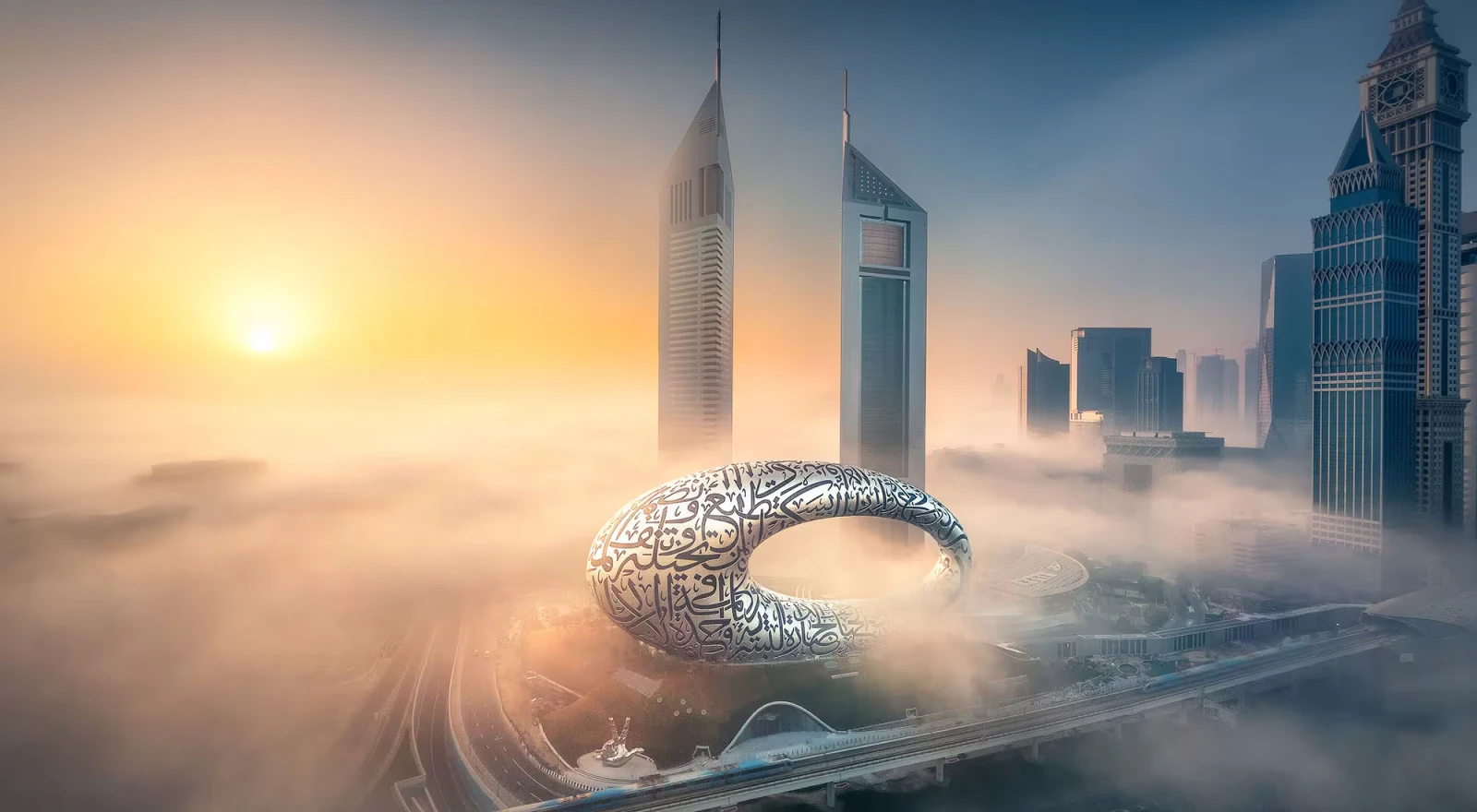
Imagine a city as an orchestra: every note, every pause, every crescendo carefully designed to create harmony. Dubai’s D33 Economic Agenda and D40 Urban Master Plan are the sheet music guiding this performance, and the property market is the stage where it all comes alive.
Dubai’s D33: Fuel for the Economic Engine
Unveiled in 2023, the Dubai Economic Agenda (D33) is a 10-year masterplan to double the city’s economy by 2033. The numbers are staggering:
AED 25.6 trillion in foreign trade targets.
AED 650 billion in foreign direct investment (FDI).
AED 100 billion annually from digital transformation.
For property investors, these figures translate into jobs, business formation, and household growth, the lifeblood of real estate. Think of D33 as the wind filling Dubai’s sails, pushing the city toward becoming one of the top three global hubs for living and investing.
Dubai’s D40: The Blueprint for Tomorrow
If D33 is the fuel, the Dubai 2040 Urban Master Plan (D40) is the map. It reshapes the city’s physical form with bold commitments:
134% more land for hotels and tourism.
400% longer public beaches (from 21 km today to 105 km).
60% of land is preserved as nature reserves.
Development anchored around five key urban centers from historic Deira to futuristic Expo City.
For investors, D40 means carefully planned growth corridors. It creates scarcity in prime zones, ensures sustainability, and unlocks new n spaces, beaches, and cultural hubs.
Infrastructure: The Catalyst That Moves Markets
Just as veins carry blood to the heart, Dubai’s infrastructure projects carry demand to property markets:
Al Maktoum International Airport (DWC): With a planned capacity of 260 million passengers, DWC will anchor Dubai South as the next global aviation hub. Expect townhouses, villas, and logistics assets to surge in value here.
Blue Line Metro: A 30 km extension with 14 stations linking Creek Harbour, International City, Silicon Oasis, and Academic City. Transit-oriented apartments and retail around these hubs will likely see premium appreciation.
Etihad Rail: Launching passenger services by 2026, connecting 11 cities at 200 km/h speeds, this will extend Dubai’s catchment for commuters and logistics alike.
Each of these projects is not just concrete and steel. They are value multipliers for real estate.
Tourism, Golden Visas & Global Capital Flows
Dubai welcomed 18.7 million overnight visitors in 2024, a record that strengthens hospitality and short-term rental demand. Add to that the AED 2 million Golden Visa threshold for property investors, and you have a magnet for high-net-worth buyers from India, the UK, Europe, and beyond.
In 2024 alone, Dubai ranked No.1 globally for greenfield FDI projects, drawing 1,117 new initiatives. Each project is a ripple that eventually touches housing, offices, and lifestyle communities.
Where Should Investors Look?
Dubai South & Expo City: Long-term play linked to DWC expansion.
Blue Line Corridors (Creek Harbour to Silicon Oasis): Transit-driven price growth.
Waterfronts & Beaches: Benefiting from D40’s 400% shoreline expansion.
Green Community Living: Villas and townhouses near parks and reserves.
For yield seekers, student housing near Academic City and mid-market rentals in Dubai South are poised for strong absorption. For luxury buyers, branded residences in waterfront communities align perfectly with Dubai’s rising global status.
The Bottom Line
Together, D33 and D40 are not just government policies. They are the north star guiding Dubai into its next growth era. For property investors, they spell infrastructure-led appreciation, diversified demand streams, and sustainable urban growth.
In other words, if Dubai were a chessboard, D33 sets the strategy, D40 defines the moves, and real estate is the queen, the most powerful piece shaping the city’s winning play.