


This guide walks you through the whole process: how to price your property, each step from listing to transfer day, every fee a seller pays, a worked example of what you'll take home, how to sell with a mortgage, the documents you need, and what changes if your property is off-plan, tenanted, or you're selling from abroad. Fees and rules were checked against published sources in November 2026. Ready to list now? See how we sell your property.
The short answer
To sell property in Dubai, get a valuation, sign Form A with a RERA-licensed agent, market the property with a DLD advertising permit, agree a price and sign Form F with the buyer, get a No Objection Certificate from the developer, and transfer ownership at a Dubai Land Department Trustee Office, where you receive the sale proceeds. Sellers typically pay about 2–2.5% of the price in costs, mainly agency commission. The buyer usually pays the 4% DLD transfer fee.
Key facts at a glance (as of November 2026)
- Typical seller costs
- About 2–2.5% of the sale price (no mortgage)
- Agency commission
- Typically 2% + 5% VAT
- DLD 4% transfer fee
- Usually paid by the buyer
- Tax on the sale
- No UAE tax for individuals selling their own property
- Form F to transfer
- About 2–4 weeks with a cash buyer; longer with mortgages
- Mortgage early settlement fee
- Capped at 1% of the balance or AED 10,000, whichever is lower
Part 01
Before you sell: what to check first
Before you list, check four things: how much you still owe on any mortgage, whether your service charges are fully paid, whether the property is tenanted and when the lease ends, and, for off-plan property, how much of the price you've paid. Each one affects your price, your timeline and what you'll take home.

Sell, rent out or hold?
Selling makes sense when you need the capital, want to lock in a gain, or the property no longer suits your plans. Renting out can make more sense if you want to keep the asset and the rental return covers your costs. Some owners rent out first and sell later with a tenant in place. If you're unsure, compare the likely sale price with the rent you could achieve. Our guide to renting out property in Dubai covers the landlord side.
Four checks before you list
| Check | Why it matters | How to check |
|---|---|---|
| Mortgage balance | It's paid off from the sale proceeds at transfer, and an early settlement fee may apply | Ask your bank for an approximate settlement figure |
| Service charges | The developer won't issue the NOC until all service charges are paid | Ask the developer or community management for a statement |
| Tenancy | A tenant stays when you sell unless the lease ends or legal notice is given | Check the tenancy contract end date and Ejari |
| Off-plan payments | Most developers only allow resale once a set share of the price is paid | Check your payment statement and the developer's resale policy |
Selling with an agent or on your own
You can legally sell your own property in Dubai, but most owners use a RERA-licensed agent. An agent can access the main property portals (which accept listings from licensed brokers), obtain the DLD advertising permit, screen buyers, negotiate, and manage the NOC, mortgage release and transfer. If you sell privately, you'll need to handle each of these yourself, and still meet DLD advertising rules.
Part 02
How to price your property
The right asking price is based on what similar properties in the same building or community have actually sold for recently, as recorded by the Dubai Land Department, adjusted for size, floor, view, layout and condition. Current asking prices on the portals show your competition, but they are not proof of value.

Price is the biggest factor in how quickly a property sells. A well-priced home attracts enquiries and viewings in the first two weeks, when a new listing gets the most attention. An overpriced one tends to sit, collect price reductions and end up selling for less than it would have at the start.
What goes into a valuation
- Recent DLD-registered sales of similar units in the same building or community, ideally from the last three to six months
- Size, layout and floor: price per square foot is a guide, but a better layout or higher floor can justify more
- View and position: sea, park or skyline views; noise; orientation
- Condition and upgrades: renovated kitchens, bathrooms and flooring
- Competing listings: how many similar properties are for sale now, and at what price
- Tenancy: a tenanted property appeals mainly to investors and may sell for slightly less than a vacant one
Market valuation vs RERA-certified valuation
A market valuation (or comparative market analysis) from an agent is free and is used to set your asking price. A formal valuation by a RERA-certified valuer is a paid, independent report. You usually don't need one to sell, but it can help with an unusual or high-value property, a dispute between joint owners, or a probate sale. Banks also arrange their own valuation for buyers taking a mortgage.
What happens when a property is overpriced
- Fewer enquiries and viewings in the first weeks, when interest is highest
- Buyers and agents start to see the listing as “stale”
- A mortgage buyer's bank may value it below the agreed price, so the deal has to be renegotiated
- The eventual sale price is often lower than a realistic price at launch
Get a free, no-obligation valuation from a USH advisor, based on recent transactions in your building and community.
Part 03
How to sell a property in Dubai, step by step
Selling a ready property in Dubai follows ten steps: get a valuation, gather your documents, appoint an agent with Form A, obtain the advertising permit and market the property, prepare for viewings, agree an offer and sign Form F, apply for the developer NOC, clear any mortgage, transfer ownership at a DLD Trustee Office, and close your accounts after the sale.
 Step 01
Get a valuation
Ask a licensed agent for a market valuation based on recent DLD transactions in your building or community. If you have a mortgage, ask your bank for an approximate settlement figure at the same time, so you know roughly what you'll take home at different prices.
 Step 02
Gather your documents
Have your title deed (or Oqood for off-plan), passport, Emirates ID if you're a resident, latest service charge statement, and any tenancy contract ready before you list. Having everything at the start avoids delays once a buyer is found. The full checklist is in the documents section below.
 Step 03
Choose an agent and sign Form A
Form A is the RERA agreement between a seller and their listing agent. It records the property details, the asking price, the agent's commission, how long the agreement lasts and whether the listing is exclusive. All owners of the property must sign it. Before signing, check the agent's RERA Broker Registration Number (BRN) on the DLD's Dubai REST app. See how we sell property with USH.
Exclusive or open listing? With an exclusive listing, one agency markets your property and is fully responsible for it. With an open (non-exclusive) listing, you can sign Form A with more than one agency. Open listings can mean the same property appears several times on the portals with different prices and photos, which can confuse buyers and weaken your negotiating position. An exclusive listing usually gets more marketing investment, such as premium portal placement, professional photography and a 3D tour.
 Step 04
Get the advertising permit and market the property
No property can be advertised in Dubai without a DLD advertising permit, issued through the Trakheesi system once Form A is registered. The permit number must appear on every advert. Your agent applies for it.
Good marketing then puts your property in front of active buyers: professional photography, a video or 3D tour, premium placement on the main portals, the agency's own buyer database and social media. See how USH markets your property.
 Step 05
Prepare for viewings
Small, inexpensive improvements make the biggest difference: a deep clean, fresh paint where walls are marked, fixing leaks and broken fittings, decluttering, and good lighting. If the property is tenanted, agree viewing times with the tenant in advance and in writing. Your agent can carry out viewings for you, so you don't need to be there.
 Step 06
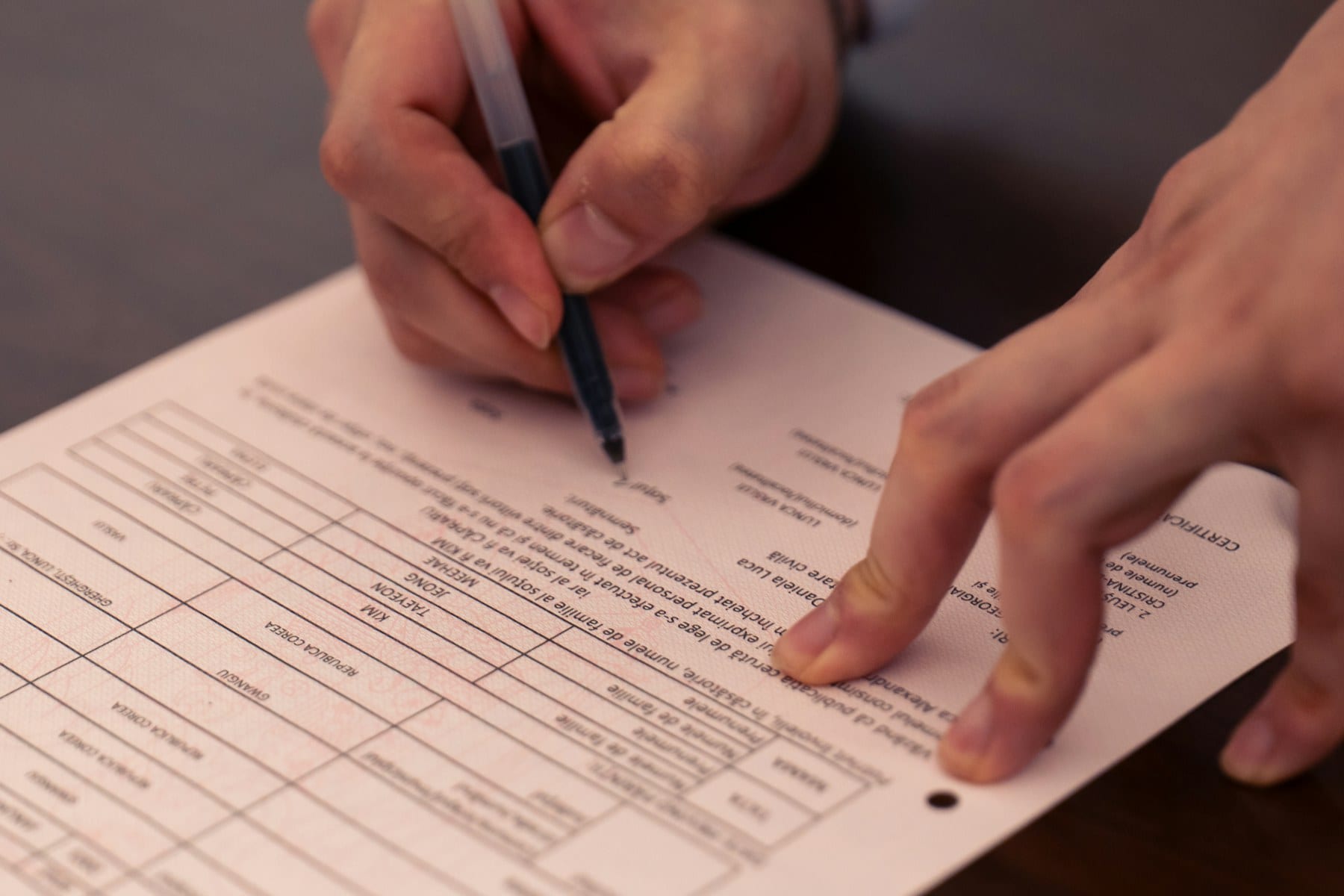
Review offers and sign Form F
When comparing offers, look beyond the price: a cash buyer can usually complete faster and with less risk than a buyer who needs a mortgage, and a buyer's preferred transfer date may or may not suit you.
Once you agree terms, you and the buyer sign Form F, the RERA sales agreement (memorandum of understanding). It records the price, the deposit, the transfer date, who pays which costs, and what happens if either side withdraws. The buyer normally gives a 10% security deposit, usually held by the agent until transfer. If the buyer pulls out without a reason allowed in Form F, you can normally keep the deposit. If you pull out, you may have to compensate the buyer, so only sign when you're sure.
 Step 07
Apply for the developer NOC
The No Objection Certificate is a letter from the developer confirming that there are no outstanding service charges or other dues on the property and that the developer has no objection to the transfer. The DLD needs it before ownership can change. The fee is usually AED 500–5,000 plus VAT, depending on the developer, and is normally paid by the seller. Clear any unpaid service charges first, as these are the most common reason for NOC delays. The NOC is valid for a limited time, so the transfer needs to happen before it expires.
 Step 08
Clear your mortgage (if you have one)
If your property is mortgaged, the loan is paid off from the sale proceeds at transfer. Your bank issues a liability letter showing the exact amount owed, the buyer pays that amount to your bank by manager's cheque, and the bank releases the mortgage. The full process is explained in the mortgaged property section below.
 Step 09
Transfer day at the Trustee Office
The transfer takes place at a DLD-approved Registration Trustee Office. You (or your representative with a power of attorney), the buyer and the agents attend, along with bank representatives if there's a mortgage. Bring your original title deed, passport, Emirates ID and the NOC.
The buyer hands over manager's cheques: one to you for the sale price (less any amount paid to your bank), one to your bank if there's a mortgage, and the DLD and trustee fees. The trustee checks everything, registers the sale, and issues the new title deed in the buyer's name. You receive your cheque at the appointment and can deposit it straight away. The appointment usually takes 15–30 minutes.
 Step 10
After the sale
- Hand over keys, access cards, parking cards and remotes.
- Close or transfer your DEWA account and get your security deposit back after the final bill.
- Close your district cooling (chiller) account, if the building has one.
- Ask the developer or community management about any service charges paid in advance, which may be adjusted between you and the buyer.
- Cancel your home contents insurance and any maintenance contracts.
Part 04
How much does it cost to sell property in Dubai?
A seller without a mortgage typically pays about 2–2.5% of the sale price in costs, made up mainly of agency commission (typically 2% + 5% VAT) and the developer NOC fee. Sellers with a mortgage also pay an early settlement fee (capped at 1% of the balance or AED 10,000, whichever is lower) and bank and DLD release fees. The 4% DLD transfer fee is usually paid by the buyer.

Every seller fee explained
| Fee | Typical amount | Who usually pays | When |
|---|---|---|---|
| Agency commission | 2% of the sale price + 5% VAT | Seller | At transfer |
| Developer NOC | About AED 500–5,000 + VAT, depending on the developer | Seller | Before transfer |
| Outstanding service charges | Whatever is owed up to the sale | Seller | Before the NOC is issued |
| Mortgage early settlement fee | Up to 1% of the outstanding balance, capped at AED 10,000 | Seller (mortgage only) | At settlement |
| Bank liability letter | About AED 50–150 | Seller (mortgage only) | Before transfer |
| Trustee “blocking” fee | About AED 1,020–1,545 | Usually seller (agree in Form F) | When the property is blocked for a mortgaged sale |
| DLD mortgage release fee | About AED 1,290 (conventional) or about AED 1,560 (Islamic), plus about AED 315 | Seller (mortgage only) | At release |
| Conveyancing (optional) | About AED 6,000–9,000 + VAT | Seller, if used | During the sale |
| DLD transfer fee | 4% of the sale price | Usually the buyer | At transfer |
| Trustee office fee | AED 4,000 + VAT (AED 2,000 + VAT under AED 500,000) | Usually the buyer | At transfer |
Who pays the 4% DLD fee?
The 4% transfer fee is charged by the Dubai Land Department when ownership changes. The rules allow it to be split between buyer and seller, but in practice the buyer almost always pays it in full. Whatever is agreed must be written into Form F. Some guides say the fee is split or paid by the seller; for most resale transactions in Dubai, you should expect the buyer to pay it.
What you take home: worked example
Here is what a seller would receive on a ready apartment sold for AED 2,000,000, with and without a mortgage. This assumes the buyer pays the 4% DLD fee and the trustee fee, as is usual. Figures are rounded.
| No mortgage | Mortgage with AED 1.2M outstanding | |
|---|---|---|
| Sale price | AED 2,000,000 | AED 2,000,000 |
| Agency commission (2% + VAT) | − AED 42,000 | − AED 42,000 |
| Developer NOC (approx.) | − AED 525 to 5,250 | − AED 525 to 5,250 |
| Mortgage balance paid off | — | − AED 1,200,000 |
| Early settlement fee (capped) | — | − AED 10,000 |
| Liability letter, blocking and DLD release fees (approx.) | — | − AED 2,675 to 3,300 |
| You take home (approx.) | AED 1,952,750 to 1,957,475 | AED 739,450 to 744,800 |
Not included: unpaid service charges, your final DEWA and cooling bills, optional conveyancing, and any tax you may owe in your home country. Ask a USH advisor for a net proceeds estimate based on your own property and mortgage.
Is there tax when you sell property in Dubai?
The UAE doesn't charge income tax or capital gains tax on individuals who sell their own property, whether they live in the UAE or abroad.
Two exceptions are worth knowing. If you own the property through a company, the gain can fall under UAE corporate tax. And if you buy and sell property frequently, as a business, the tax position may be different. If you live outside the UAE, you may also owe tax in your home country on the gain. Take advice from a tax adviser if any of these apply.
Costs sellers often forget
- Unpaid service charges, which must be cleared before the developer issues the NOC
- The early settlement fee on your mortgage, which comes off your proceeds
- Final utility bills for DEWA and district cooling
- Moving and storage costs, if you're living in the property
- Currency transfer costs if you're moving the money abroad
Part 05
Selling a mortgaged property in Dubai
You can sell a property in Dubai that still has a mortgage. The outstanding loan is paid off from the sale proceeds at transfer: your bank issues a liability letter with the exact amount owed, the buyer pays that amount to your bank by manager's cheque, the bank releases the mortgage, and the property is then transferred to the buyer. Expect the sale to take one to two weeks longer than a sale without a mortgage.

Step by step: selling a mortgaged property to a cash buyer
- Tell your bank early. Ask for an approximate settlement figure when you list, so your asking price covers the loan and your costs.
- Sign Form F. It should record that the property is mortgaged and who pays the settlement-related costs.
- Get the developer NOC. As for any sale.
- Request the liability letter. Your bank issues a letter showing the exact amount needed to close the loan on a given date, including any early settlement fee. It usually takes 5–7 working days and is valid for a short period, often 7–15 days, so time the request for when the buyer's funds are ready.
- Block the property at the Trustee Office. For a mortgaged sale, the buyer and seller usually attend the Trustee Office first to register a block on the property in the buyer's favour, so it can't be sold to anyone else while the mortgage is released.
- The buyer hands over three manager's cheques: one to your bank for the exact liability letter amount, one to you for the balance of the price, and one for the 4% DLD fee. The bank's cheque is released to settle the loan; the other two are held by the trustee.
- The bank closes the loan and releases the mortgage. It issues a clearance letter and returns the original title deed. This can take up to two weeks, and sometimes longer.
- Final transfer. At a second Trustee Office appointment, the mortgage release is registered, the transfer is completed, the buyer receives the title deed and you receive your cheque.
Fees when you sell a mortgaged property
| Fee | Typical amount |
|---|---|
| Early settlement fee | Up to 1% of the outstanding loan, capped at AED 10,000 (Central Bank rule for individual home loans) |
| Liability letter | About AED 50–150 |
| Trustee blocking fee | About AED 1,020–1,545 |
| DLD mortgage release | About AED 1,290 (conventional) or AED 1,560 (Islamic), plus about AED 315 |
Check your own loan agreement for the exact early settlement terms, and confirm current DLD and trustee fees before transfer.
When the buyer also has a mortgage
If the buyer is taking a mortgage too, the buyer's bank pays your bank directly at transfer. This is often called a bank-to-bank transfer. It adds steps: the buyer's bank must value the property and issue a final offer before your liability letter is requested. Allow around 6–10 weeks from Form F to transfer. The most common delay is the liability letter expiring while the buyer's bank completes its process.
If you owe more than the sale price
If the sale price won't cover your loan (negative equity), you'll need to pay the difference to the bank in cash at settlement, unless your bank agrees another arrangement. Speak to your bank before you sign Form F at that price, and get its agreement in writing. Expect its internal approval to add time to the sale.
Part 06
Documents required to sell property in Dubai
To sell a property in Dubai you usually need your original title deed, your passport (and Emirates ID if you're a resident), the signed Form A and Form F, and the developer's NOC. If the property is mortgaged you also need your bank's liability letter; if it's tenanted, the tenancy contract; and if someone is signing for you, an attested power of attorney.

Your agent and the Trustee Office will confirm the exact list for your sale.
Standard sale (individual owner, no mortgage)
- Original title deed (or Oqood certificate for off-plan)
- Passport (original and copy)
- Emirates ID, if you're a UAE resident
- Signed Form A (with your agent) and Form F (with the buyer)
- Developer NOC
- Latest service charge statement
Extra documents for special cases
| Situation | Extra documents |
|---|---|
| Mortgaged property | Bank liability letter; mortgage clearance letter; bank's release documents for the DLD |
| Tenanted property | Tenancy contract, Ejari certificate, and details of the tenant's security deposit |
| Selling through a POA | Power of attorney covering the sale of this property; if signed abroad, notarised, attested by the UAE embassy and the UAE Ministry of Foreign Affairs, and translated into Arabic; your representative's passport and Emirates ID |
| Joint owners | All owners' passports and IDs; all owners sign Form A and Form F, or appoint a representative by POA |
| Company-owned property | Trade licence or certificate of incorporation; memorandum and articles of association; board resolution approving the sale and naming the signatory; certificate of good standing (attested if the company is outside the UAE) |
| Inherited property | Court-issued inheritance documents confirming the heirs and their shares, before the property can be sold |
Gather these before you list
Title deed, passport, Emirates ID, service charge statement, any tenancy contract, and your mortgage account details. If you'll be abroad at transfer, start your power of attorney now, as attestation can take several weeks.
Part 07
How long does it take to sell property in Dubai?
Selling happens in two stages: finding a buyer, which depends mainly on price and demand, and completing the sale, which is more predictable. Once Form F is signed, a sale to a cash buyer typically completes in 2–4 weeks. If you have a mortgage, add 1–2 weeks. If both you and the buyer have mortgages, allow about 6–10 weeks.
| Type of sale | Typical time from Form F to transfer | What sets the pace |
|---|---|---|
| No mortgage, cash buyer | 2–4 weeks | Developer NOC |
| Seller has a mortgage, cash buyer | 3–6 weeks | Liability letter and bank release |
| Both sides have mortgages | 6–10 weeks | Buyer's bank valuation and final offer, then seller's release |
| Off-plan resale | 2–4 weeks | Developer's resale NOC and payment status |
How long it takes to find a buyer depends on the price, the property and the market.
What causes delays, and how to avoid them
- Unpaid service charges stop the NOC. Clear them before you list.
- An expired liability letter means a new request and a new wait. Request it only when the buyer's funds are ready.
- The buyer's mortgage depends on the bank's valuation. A realistic price reduces the risk of a low valuation.
- A power of attorney from abroad needs several attestations. Start early.
- Joint owners who aren't available to sign. Agree in advance who will attend or sign by POA.
Part 08
Selling an off-plan property before handover
You can sell an off-plan property before it's completed, but only once you've met the developer's resale conditions. Most developers require 30–40% of the price to have been paid before they allow a resale, though the exact threshold varies. The buyer takes over the remaining payment plan and pays a new 4% DLD fee, and the developer issues a resale NOC so the Oqood registration can be transferred.

How an off-plan resale works
- Check your contract and the developer's resale policy. Confirm the minimum percentage you must have paid and any developer fees for resale.
- Agree the price. In an off-plan resale, the buyer typically pays you what you've already paid to the developer, plus any premium you've agreed, and then takes over the remaining instalments.
- Sign Form F with the buyer.
- Get the resale NOC from the developer. The developer confirms your payments are up to date and approves the transfer.
- Transfer the Oqood. At the Trustee Office or developer, the Oqood registration moves into the buyer's name, and the buyer pays the 4% DLD fee on the purchase price.
Read our off-plan guides for more on how off-plan contracts, escrow and payment plans work.
Part 09
Selling a property with a tenant
You can sell a tenanted property in Dubai. The tenancy contract stays in force and passes to the new owner, so the buyer takes on the tenant and the lease. If you want to sell with vacant possession instead, you must give the tenant 12 months' written notice, sent by notary public or registered mail, that you need the property back for a sale, and the notice period must end when the tenancy does.

Selling with the tenant in place
A tenanted property mainly appeals to investors, who like the rental income from day one. It may sell for slightly less than a vacant home, and to a smaller pool of buyers, because owner-occupiers can't move in straight away. Share the tenancy contract, rent and Ejari with serious buyers early, and agree how the tenant's security deposit and any rent already paid will be handled in Form F.
Selling with vacant possession
Under Dubai's rental law, a landlord can recover a property at the end of the tenancy if they intend to sell it, provided they give the tenant at least 12 months' notice by notary public or registered mail. Plan ahead: the notice must be served well before the lease ends.
Viewings with a tenant in the property
Tenants are entitled to reasonable notice before viewings. Agree viewing times in writing, keep visits short, and consider a professional video or 3D tour to cut down the number of in-person viewings. A cooperative tenant makes a sale much easier, so it's worth keeping them informed.
Part 10
Selling property in Dubai from abroad
You don't need to be in Dubai to sell your property. Your agent can carry out viewings and marketing, Form A and Form F can usually be signed digitally, and the transfer can be completed by a representative you appoint through a power of attorney. The sale proceeds can be paid into your UAE bank account or transferred abroad.

- Marketing and viewings: your agent manages these without you being there. A 3D tour and video help overseas buyers too.
- Signing: Form A and Form F can often be signed digitally. Ask your agent which documents need a wet signature.
- Transfer day: appoint someone you trust, such as your agent's conveyancing team or a lawyer, with a power of attorney. If you sign the POA outside the UAE, it must be notarised, attested by the UAE embassy and the UAE Ministry of Foreign Affairs, and translated into Arabic. This can take several weeks, so start early.
- Receiving the money: the buyer's manager's cheque is deposited into a UAE bank account in your name, or your representative's if your POA allows it. From there you can transfer the funds abroad. The UAE has no currency controls, but your bank may ask for the sale documents.
- Tax at home: the UAE doesn't tax the sale, but your home country might. Check with a tax adviser where you live.
Part 11
Mistakes sellers make
The most common mistakes are overpricing at launch, listing with too many agents at once, leaving unpaid service charges until the NOC stage, not checking the mortgage settlement figure early, and signing Form F without understanding the deposit and deadline terms. Each one can cost time, money or the buyer.
- 01
Overpricing at launch
The first two weeks bring the most interest. A price that's too high wastes them, and the property often sells for less in the end.
- 02
Listing with many agents
The same property appears several times at different prices, which makes buyers suspicious and weakens your position in negotiation.
- 03
Not checking service charges
Unpaid charges block the NOC and delay transfer. Clear them before you list.
- 04
Not knowing your mortgage figure
Without an early settlement figure, you can't tell what you'll take home or whether an offer works for you.
- 05
Choosing the highest offer without checking the buyer
A slightly lower cash offer can be safer and faster than a higher offer that depends on a mortgage.
- 06
Not reading Form F
Know the deposit terms, the transfer deadline, and what happens if either side can't complete.
- 07
Poor photos and presentation
Most buyers decide whether to view from the listing photos. A clean, well-lit, professionally photographed home gets more viewings.
- 08
Ignoring the tenant
An uncooperative tenant can make viewings hard. Talk to them early, and give legal notice in good time if you need the property vacant.
- 09
Starting the power of attorney too late
If you'll be abroad at transfer, attestation can take weeks.
- 10
Using an unlicensed agent
Only work with a RERA-licensed agent, and check their BRN on Dubai REST before signing Form A.
What never to do after signing Form F
- Don't accept another offer or keep marketing the property, unless Form F allows it.
- Don't let service charges, DEWA or cooling bills fall behind.
- Don't let your passport, Emirates ID or power of attorney expire before transfer.
- Don't ignore deadlines from the agent, bank or developer. A missed date can let the buyer withdraw.