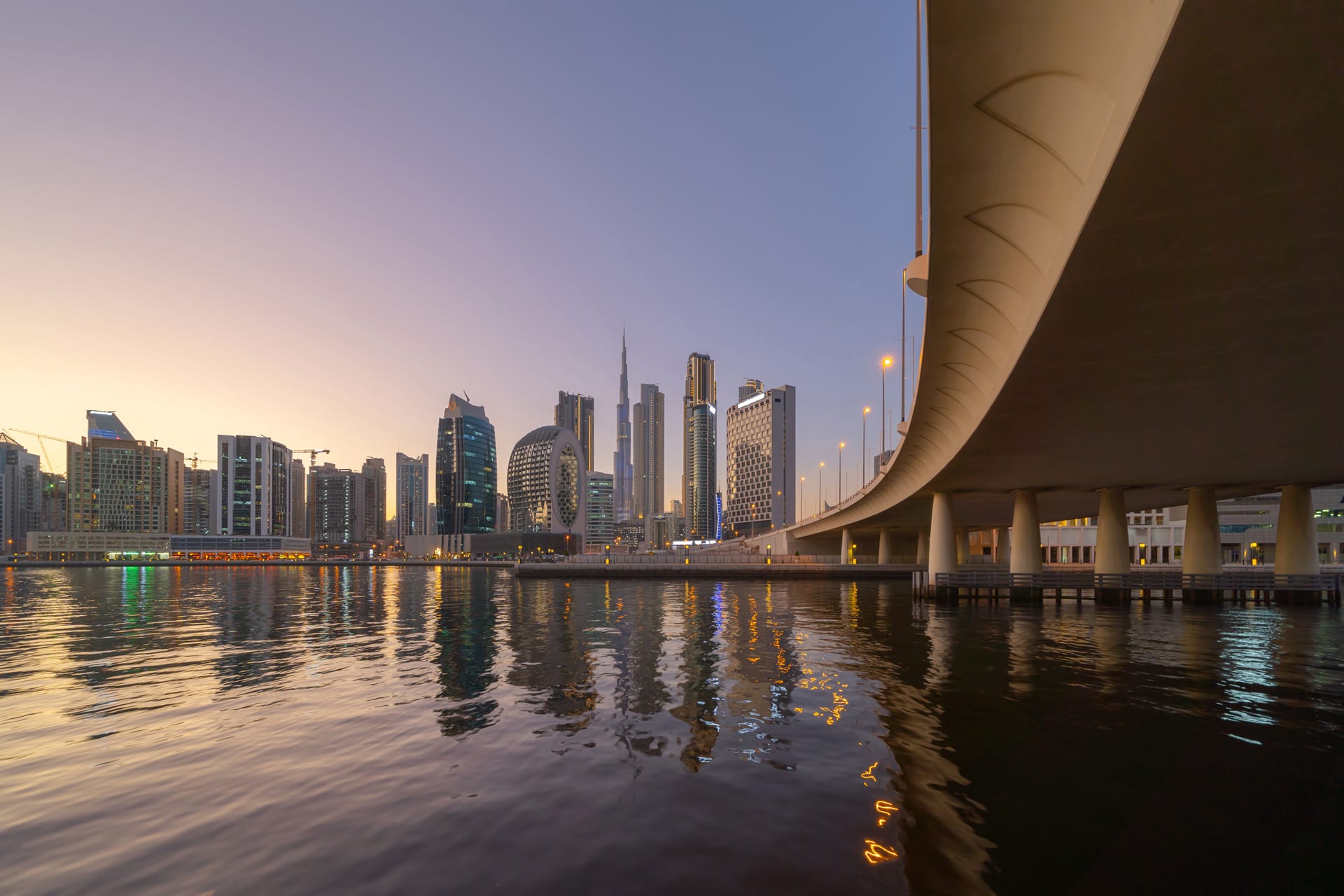


This guide is for non-resident buyers who want to understand the whole process first: who can buy, the steps for off-plan and ready homes, power of attorney, how to send money safely, what it costs, and the visas you may qualify for. Some important rules changed in 2026, and many guides online haven't caught up, so we've marked what's new.
The short answer
- Foreigners can buy freehold property in Dubai's designated areas with a valid passport. You don't need a UAE residence visa.
- Off-plan homes can usually be bought fully remotely.
- For a ready home, you or someone you appoint with a power of attorney must attend the transfer in Dubai.
- On top of the price, expect fees of about 6–7%, mainly the 4% Dubai Land Department fee and the agency fee.
- Property worth AED 2 million or more can make you eligible for a 10-year Golden Visa.
Rules updated in 2026
- February 2026: buyers using a mortgage or payment plan no longer need to have paid 50% or AED 1 million before applying for a Golden Visa. What counts is a property value of AED 2 million or more.
- April 2026: the AED 750,000 minimum for the 2-year property investor visa was dropped for sole owners. Joint owners need AED 400,000 each.
- Since February 2025: banks can't add the DLD fee or agency fee to your mortgage, so these are paid in cash.
Part 01
How to buy property in Dubai from abroad: your 10-step checklist
The Dubai steps are the same wherever you live. Use this checklist to plan, then read each section below for the detail.
- Check you can buy, and where
- Decide between off-plan and ready
- Set your budget, including fees
- Choose a licensed agent and check their RERA licence
- View homes by video
- Agree the price and sign the agreement
- Arrange a power of attorney if you can't travel
- Send money only to the right account
- Complete the transfer or Oqood registration
- Plan for after you buy: handover, renting out, visa
Part 02
Can foreigners buy property in Dubai?

Yes. Since Law No. 7 of 2006, people of any nationality can own property outright in Dubai's designated freehold areas. These are communities set aside by the government where non-UAE nationals can hold the full title deed in their own name, just like a local owner. They include most of the areas overseas buyers ask about, such as Downtown Dubai, Dubai Marina, Palm Jumeirah, Dubai Hills Estate and Business Bay. You can browse them in our freehold communities in Dubai pages.
To buy, you need to be at least 21 and hold a valid passport. Buying property in Dubai as a foreigner works the same way as for a UAE resident. The property is registered with the Dubai Land Department (DLD), and the title deed carries your name.
Do you need to live in Dubai or have a visa?
No. You can buy property in Dubai without residency, a UAE visa or a UAE bank account. Your passport is enough to buy and register the property. A UAE bank account is useful later, for paying the price of a ready home and for service charges, but it isn't required to make the purchase.
Off-plan or ready: what's the difference for overseas buyers?
Off-plan means the home is still being built and you buy it from the developer. Ready means the home is finished, usually bought from its current owner. The choice changes how remote the purchase can be.
| Off-plan | Ready | |
|---|---|---|
| Can it be done fully remotely? | Usually yes | The transfer needs you, or your attorney, in Dubai |
| Main contract | The developer's Sale and Purchase Agreement (SPA) | Form F, the standard sale agreement |
| Registration | Oqood, the DLD's register for off-plan sales | Title deed issued at a Registration Trustee office |
| How you pay | Instalments into the project's escrow account | Usually a manager's cheque on transfer day |
| When you get the title deed | After handover | On transfer day |
Part 03
Buying off-plan property from abroad
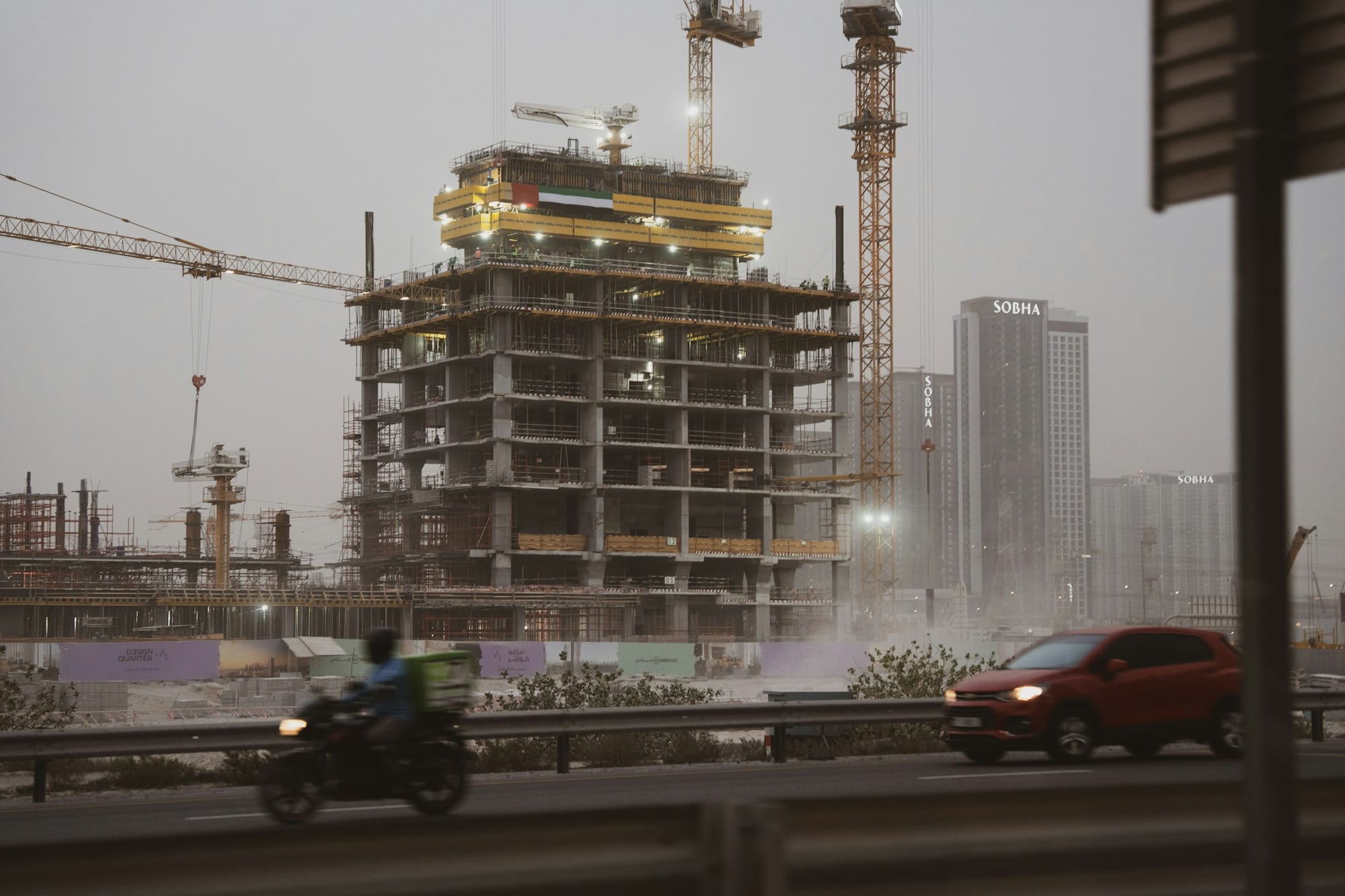
Off-plan is the easiest way to buy remotely, because most of the paperwork is between you and the developer and can be signed online. You pay in stages while the home is built, and you only need to be in Dubai, or send someone, at handover if you want to inspect the home yourself.
- Shortlist projects. Look at the location, the payment plan and, most of all, the developer's track record of finishing projects on time.
- Walk through it on video. Your agent shows you the show apartment, the site or the floor plans on a live video call.
- Pay the booking amount. Pay only to the account the developer names in writing, never to an agent.
- Sign the SPA. The developer sends you the Sale and Purchase Agreement, often for e-signature. Read the payment schedule and the handover date carefully.
- Oqood registration. The developer registers your purchase with the Dubai Land Department in the Oqood system. Your SPA must be registered within 90 days, and the Oqood certificate is emailed to you.
- Pay your instalments into escrow. Each payment goes into the project's escrow account. Under Law No. 8 of 2007, this money is held in a separate account for the project and released to the developer as building work moves forward.
- Handover. When the home is finished, you pay the final amount, the home is inspected for defects (called snagging), and the title deed is issued in your name.
See our current off-plan launches, and read what happens at handover.
Part 04
Buying a ready home from abroad

A ready home can be viewed, bought and rented out quickly, but one step has to happen in person: the transfer at a Registration Trustee office in Dubai. If you can't be there, a non-resident buyer can give someone power of attorney to attend.
- View homes by video. Your agent shows you each shortlisted home on a live call.
- Agree the price and sign Form F. Form F is the standard sale agreement in Dubai. It's often signed digitally through the Dubai REST app. You usually pay a 10% deposit, held until transfer.
- The seller gets a No Objection Certificate (NOC). The developer issues this to confirm there are no unpaid service charges. It usually takes a few working days.
- Mortgage valuation and approval, if you are borrowing.
- Power of attorney, if you can't attend the transfer yourself.
- Transfer day. At the Registration Trustee office, the price is paid, the 4% DLD transfer fee is settled as agreed in Form F, and the new title deed is issued in your name.
- Keys and setup. Connect DEWA (water and electricity), then move in or find a tenant.
Dubai also has an online transfer service called Dubai Now, but it needs a UAE ID and UAE PASS, so most overseas buyers complete the transfer at a trustee office. Browse homes for sale in Dubai.
Part 05
How to view a property without flying to Dubai

You can view and choose a home remotely, as long as the person on the other end of the call is working for you. A good video viewing shows you everything you would see in person, including the parts that don't look good in photos.
Book live viewings at a time that suits your time zone, and ask for the walkthrough to be recorded so you can watch it again with your family. During the call, ask your agent to show and check:
- The view from each window, and what is being built nearby
- The building entrance, corridors, lifts, parking and pool
- Water pressure, air conditioning and signs of damp
- The kitchen, bathrooms and any wear and tear
- Noise from roads, construction or neighbours
- Service charges, parking spaces and whether a tenant is living there
If you prefer to see homes in person, a short trip of one or two days is often enough once you have a shortlist. To set up viewings, book a video consultation with our International Buyers Desk.
Part 06
Power of attorney for buying property in Dubai
A power of attorney (POA) is a legal document that lets someone you trust sign and act for you in Dubai. You may not need one at all, so check before you start the process.
When do you need a power of attorney?
Usually only when you buy a ready home and can't attend the transfer at the Registration Trustee office. Most off-plan purchases don't need one, because you can sign the developer's documents remotely.
Special or general power of attorney?
Use a special power of attorney. It names the property and lists exactly what your attorney can do, such as signing Form F, attending the transfer and collecting the title deed. A general POA gives much wider powers over your affairs and carries more risk, so it isn't the right choice for a single purchase.
How to get a power of attorney from abroad
| If you sign it abroad | If you sign it in the UAE |
|---|---|
| Sign it before a notary in your country | Sign it before a notary in the UAE |
| Have it attested by the UAE embassy or consulate in that country | Not needed |
| Have it legalised by the UAE Ministry of Foreign Affairs (MOFA) | Not needed |
| Have it translated into Arabic by a UAE-licensed legal translator | Usually prepared in Arabic and English |
| Send the original to Dubai. Copies and scans aren't accepted | The original is used at the transfer |
The UAE doesn't accept an apostille for this, so the embassy and MOFA steps can't be skipped. Fees depend on your country and the offices involved. Start early, because this is often the step that takes longest. Once the purchase is done, you can cancel the POA through a notary.
Part 07
How to send money safely when buying from abroad
Moving a large amount of money across borders is the part overseas buyers worry about most. Dubai's rules are clear, and following them protects you.
Off-plan payments. Your booking amount and every instalment go straight into the project's escrow account. The account details are written in your SPA. If anyone asks you to pay somewhere else, stop and check with the developer directly.
Ready home payments. The price is usually paid on transfer day by a manager's cheque from a UAE bank. That's why many overseas buyers open a UAE bank account before the transfer, or pay through their mortgage bank if they are borrowing. The money should go to an account in the exact name shown on the title deed.
Government fees. Dubai Land Department fees can be paid online through the DLD's payment channels (such as Dubai Pay or Noqodi) or by manager's cheque.
Exchange rates. The UAE dirham is pegged to the US dollar at AED 3.6725 to USD 1. If you earn in pounds, rupees, euros or another currency, the amount you send can still change with exchange rates, so plan your instalments with some room to spare.
Never send money to an agent's personal account. Escrow protection only covers payments made to the account named in your sale documents. A licensed agent will never ask you to do this.
Part 08
What it costs to buy property in Dubai
The main cost on top of the price is the Dubai Land Department transfer fee of 4%. With the agency fee and smaller charges, total fees usually come to about 6–7% of the price.
| Cost | Amount |
|---|---|
| DLD transfer fee | 4% of the price |
| Registration trustee fee | AED 2,000 (homes under AED 500,000) or AED 4,000, plus 5% VAT |
| Title deed fee | AED 580 |
| Agency fee | Usually 2% of the price, plus 5% VAT |
| Developer NOC (ready homes, usually paid by the seller) | Varies by developer |
| Mortgage registration (if borrowing) | 0.25% of the loan, plus about AED 290 |
| Power of attorney (if needed) | Varies by country |
Example: an AED 1,500,000 ready apartment bought with cash
| Item | AED |
|---|---|
| DLD transfer fee (4%) | 60,000 |
| Registration trustee fee (4,000 + VAT) | 4,200 |
| Title deed fee | 580 |
| Agency fee (2% + VAT) | 31,500 |
| Total fees | 96,280 |
That's about 6.4% of the price. Who pays the 4% DLD fee is agreed in Form F, but in practice the buyer usually pays it. There is no yearly property tax in Dubai, but you will pay yearly service charges to the building or community, and utility bills.
Work out your own costs with our calculator.
Fees as published by the Dubai Land Department and reported by Property Finder, July 2026. Fees can change, so confirm them before you sign.
Part 09
Can you get a mortgage if you live abroad?

Yes, but there are fewer banks to choose from and the terms are stricter than for UAE residents. Most banks that lend to non-residents cover around 50–65% of the property value, so you may need a deposit of 35–50%, plus fees. Rates are usually higher than for residents, and some banks only accept buyers from certain countries.
Two more points to plan for. Since February 2025, banks can't add the DLD fee or the agency fee to your loan, so these must be paid in cash. And for off-plan homes, the most any bank can lend is 50% of the value, usually only on projects the bank has approved.
For the full rules, documents and current rates, read our full guide to mortgages in Dubai.
Part 10
Dubai property visas: what you can get by buying
Buying property can make you eligible to apply for a UAE residence visa. It isn't automatic: you still apply, meet the conditions and pay the fees. Here are the three property-linked options.
| Visa | Property you need | How long |
|---|---|---|
| 10-year Golden Visa | Property worth AED 2 million or more, in one property or several. Ready, off-plan and mortgaged homes can qualify | 10 years, renewable |
| 2-year property investor visa | No minimum value for sole owners. Joint owners need AED 400,000 each | 2 years, renewable |
| 5-year retirement visa (age 55 and over) | Property worth at least AED 1 million is one route. Others use savings or income | 5 years, renewable |
The Golden Visa through property
The Golden Visa is the long-term residence visa most property buyers ask about. With it, you don't need a UAE employer to sponsor you, you can sponsor your spouse and children, and there is no minimum time you must spend in the UAE each year. If your home has a mortgage, you will also need a No Objection Certificate from your bank.
What changed in 2026
- February 2026: the rule that mortgage or payment-plan buyers had to pay at least 50% of the price, or AED 1 million, before applying for a Golden Visa was removed. Eligibility now depends on the property's value of AED 2 million or more.
- April 2026: the AED 750,000 minimum for the 2-year property investor visa was dropped for sole owners, with AED 400,000 per person for joint owners.
Rules can change again, so check the latest requirements with the Dubai Land Department (through its Cube Center) or the Federal Authority for Identity, Citizenship, Customs and Port Security (ICP) before you apply. Read more about the UAE Golden Visa and the one portal for investor visas.
Part 11
Tax on Dubai property: in Dubai and at home
In Dubai, individuals pay no personal income tax on rent and no capital gains tax when they sell a home. There is no yearly property tax either, and rent on residential property is exempt from VAT.
That doesn't mean your Dubai home is tax-free everywhere. Most countries tax their residents, and some tax their citizens, on income and gains from property abroad. For example, if you live in the UK, you may need to report rent from your Dubai property to HMRC. If you are a US citizen, you remain subject to US tax and reporting on your worldwide income, wherever you live.
Before you buy property in Dubai from abroad, speak to a tax adviser in your home country so you know what you will need to declare and when.
Part 12
After you buy: handover, renting out and running your home from abroad
Owning a home in another country is easier when the practical things are set up from day one.
- Handover and snagging (off-plan). Before you accept the keys, the home should be inspected for defects so the developer can fix them. Read our off-plan handover guide.
- Utilities. Register with DEWA for water and electricity, and set up internet and cooling if your building uses district cooling.
- Service charges. Owners pay yearly service charges for the upkeep of the building and community. Ask for the current rate before you buy.
- Renting out long term. Tenancy contracts must be registered in Ejari, Dubai's official tenancy system. See renting out your property.
- Holiday home rental. Renting by the night needs a holiday home permit from Dubai's Department of Economy and Tourism.
- Property management. If you live abroad, a property manager can handle tenants, repairs and payments for you.
Part 13
What can go wrong and how to protect yourself
Most purchases go smoothly. These are the most common problems for overseas buyers, and the simple checks that prevent them.
| Risk | What can happen | How to protect yourself |
|---|---|---|
| Unlicensed agent | You get poor advice, or your money goes missing | Check the agent's broker number (BRN) on the Dubai REST app or the DLD website before you share any money or documents |
| Paying the wrong account | Your money isn't protected | Only pay the escrow account or the accounts named in your sale documents |
| Off-plan delays | Handover is later than planned | Check the developer's past projects and the project's status with DLD; read the delay terms in your SPA |
| Misuse of a power of attorney | Someone acts outside what you agreed | Use a special POA for one property only, and cancel it after the transfer |
| Mortgage falls through at handover | You can't pay the final amount | Get mortgage advice early and keep savings aside |
| Hidden costs | Your budget runs short | Ask for a full list of costs before you sign anything |
Part 14
Buying from your country: guides for UK, India and US buyers
The steps in Dubai are the same for everyone. What changes is how you send money, how you are taxed at home and where you get your power of attorney attested.
Buying property in Dubai from the UK
UK residents may need to report rental income and gains from a Dubai property to HMRC. If you need a power of attorney, it is attested at the UAE embassy in London before it goes to the UAE Ministry of Foreign Affairs. Read our guide to buying in Dubai from the UK.
Buying property in Dubai from India
Indian residents usually send money abroad under the Reserve Bank of India's Liberalised Remittance Scheme, which has a yearly limit per person, and tax may be collected at source on larger transfers. Speak to your bank and a chartered accountant before you commit to a payment plan.
Buying property in Dubai from the USA
US citizens are taxed on worldwide income, and foreign bank account reporting rules may apply if you open a UAE account. Viewings can be booked around US time zones.
Buying from somewhere else? The Dubai process in this guide applies to you too. Ask us which documents you'll need from home.
Frequently asked questions
Next steps
If you're ready to buy property in Dubai from abroad, the easiest way to start is a short video call. Tell us your budget, your plans and where you live, and we'll explain your options and set up viewings around your time zone.